Listening guides
Choose for the way you listen
Four chapters on where and how you listen, and what each setting asks of a pair of headphones. Read one, or read them all.
Chapter one
At home
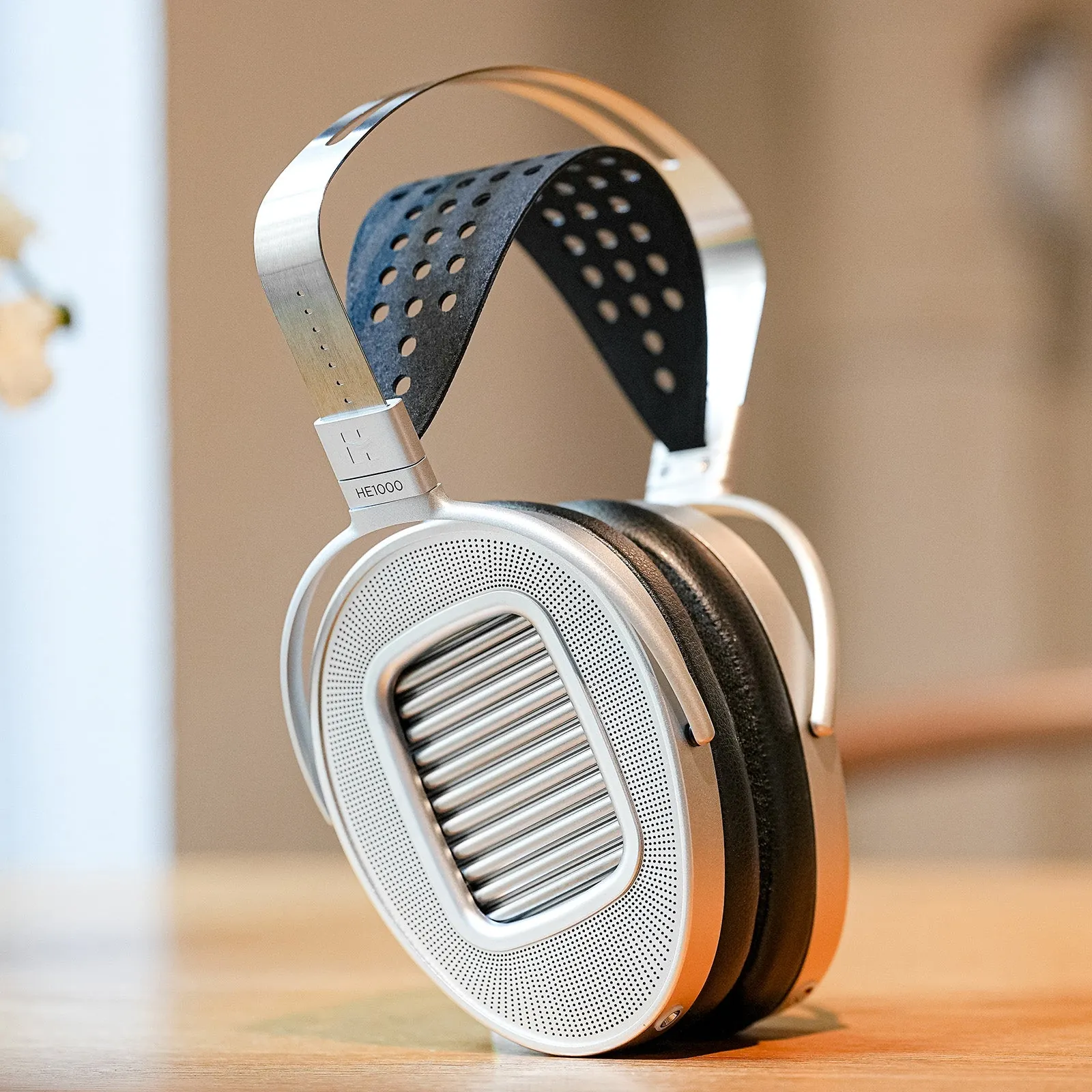
In a quiet room, open-back headphones come into their own. With nothing sealing the sound in around your ears, long evenings stay comfortable and unhurried.
- Open-back designs leak sound in both directions, so they suit a room of your own.
- Planar magnetic models are often heavier. Every product lists its published weight.
- Many reward a dedicated headphone amplifier. Impedance and sensitivity are listed for every model.
10 models for at home
Browse the full collection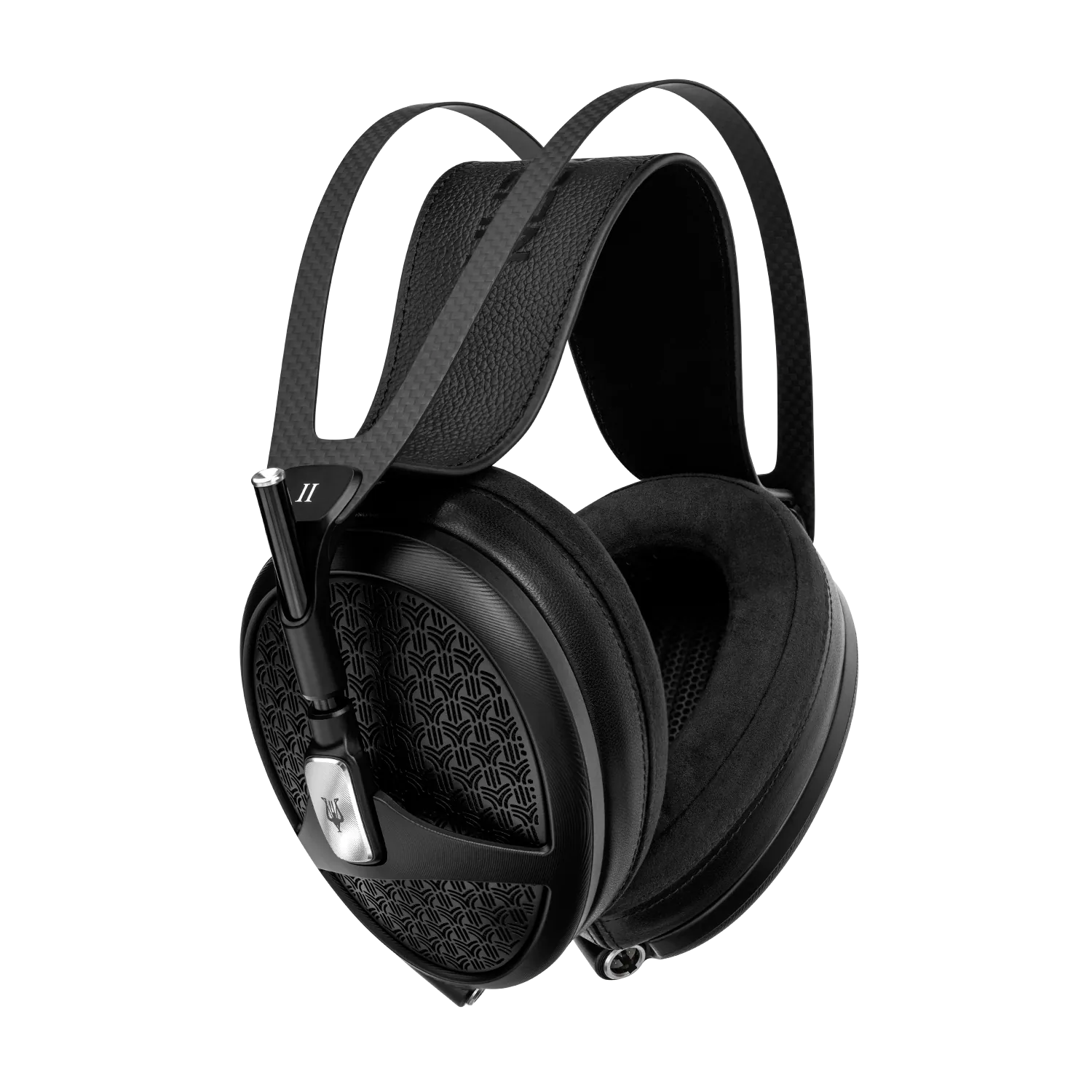
Meze Audio
Empyrean II
Open-back · Wired
€2,999.00Low stock
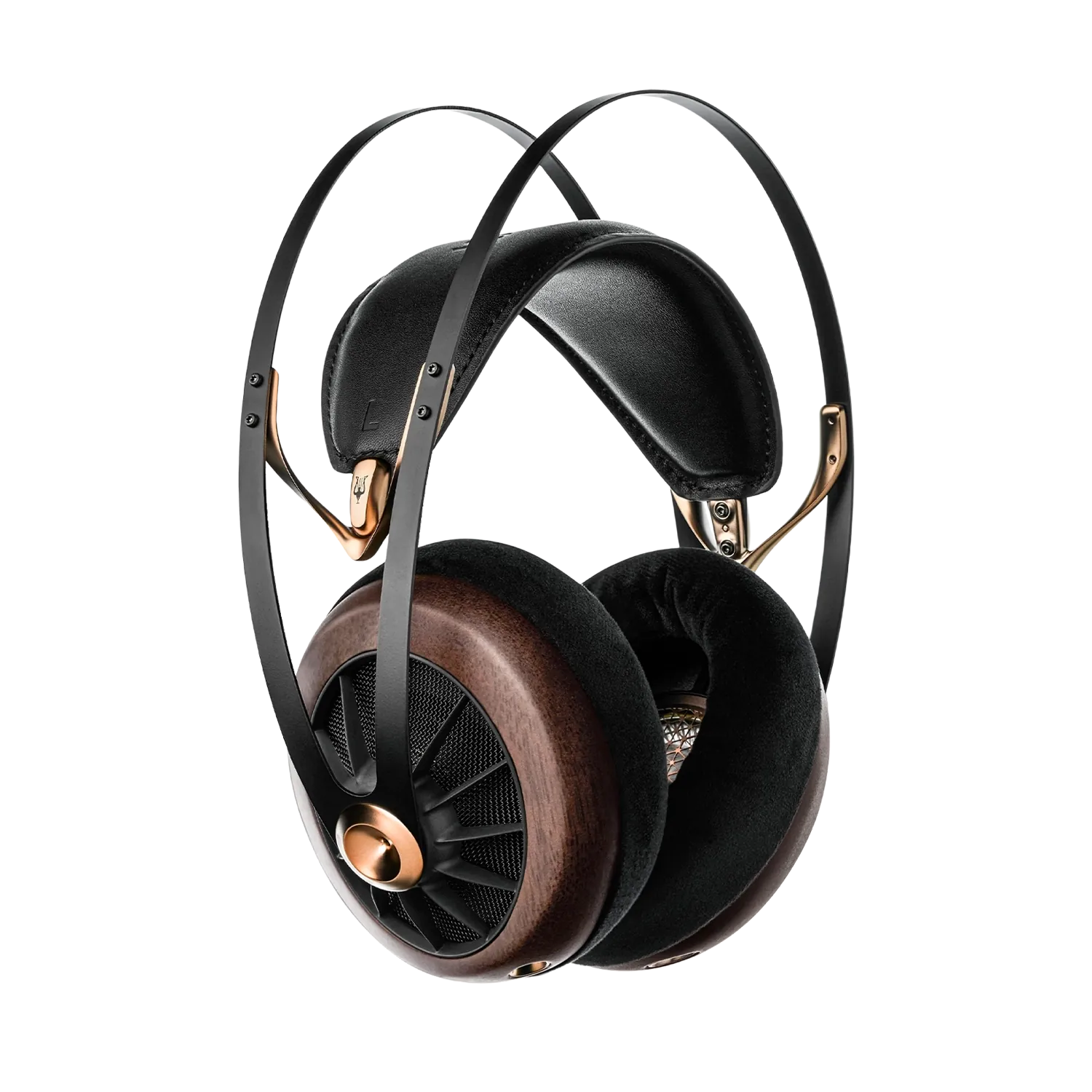
Meze Audio
109 PRO
Open-back · Wired
€799.00In stock
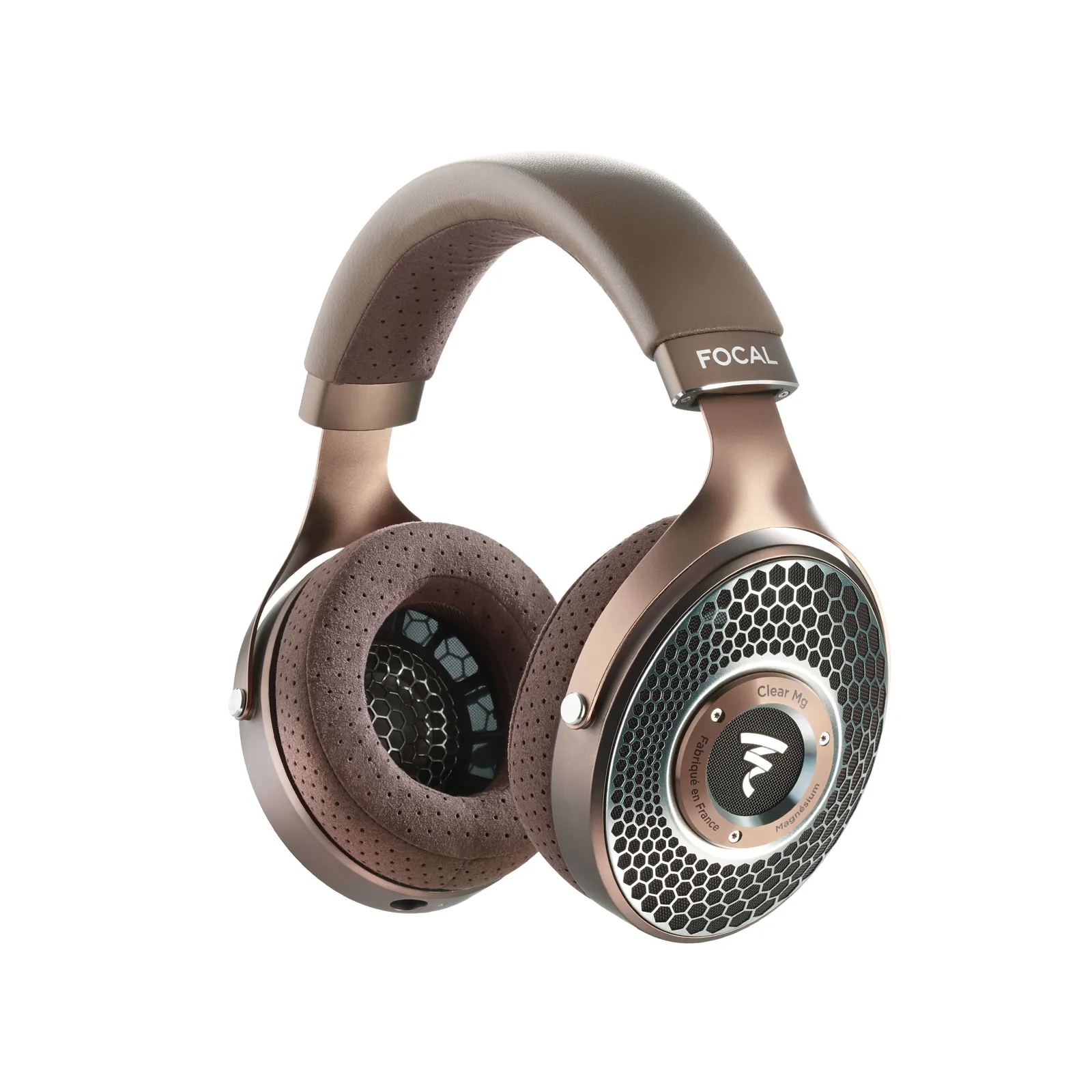
Focal
Clear MG
Open-back · Wired
€1,499.00In stock
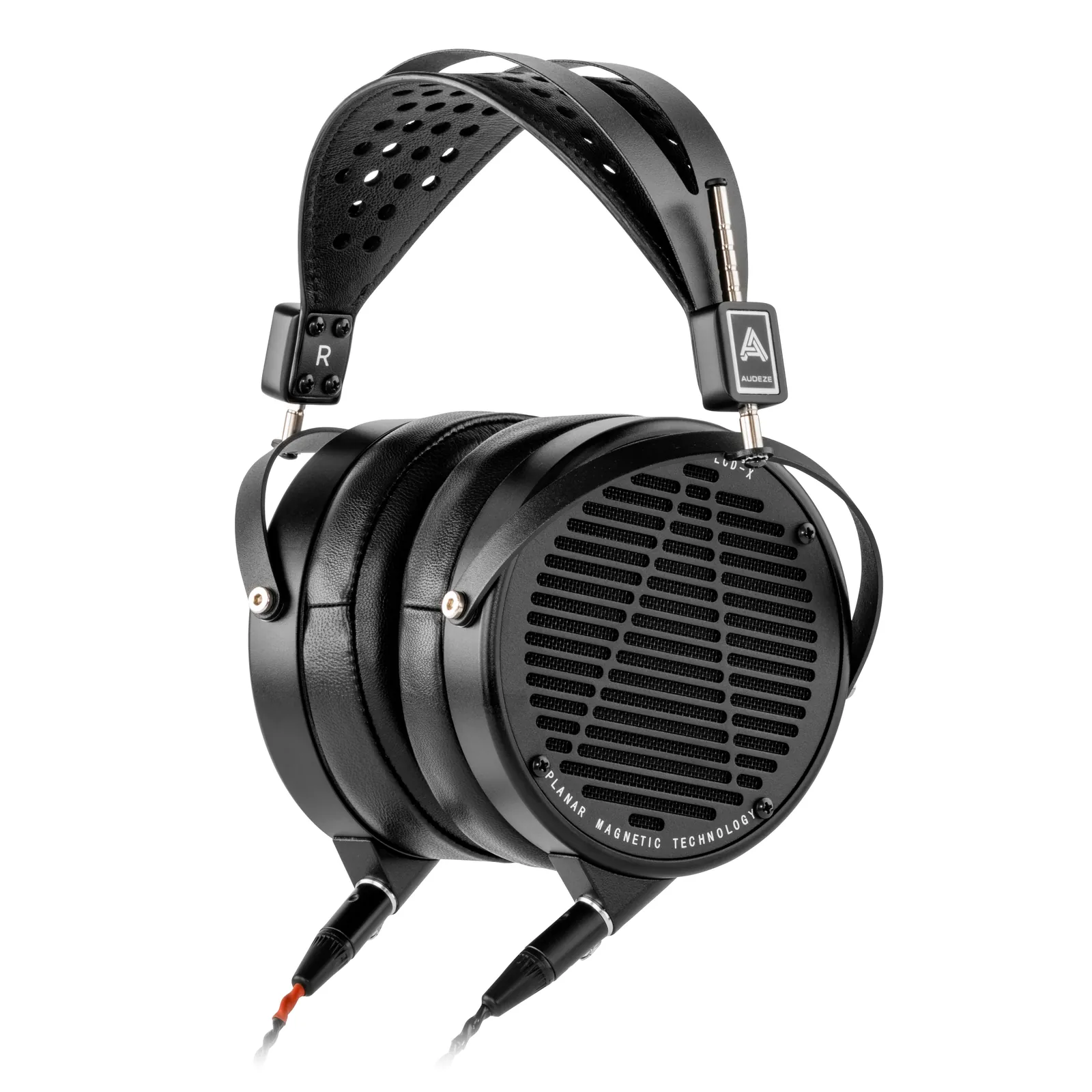
Audeze
LCD-X
Open-back · Wired
€1,199.00In stock
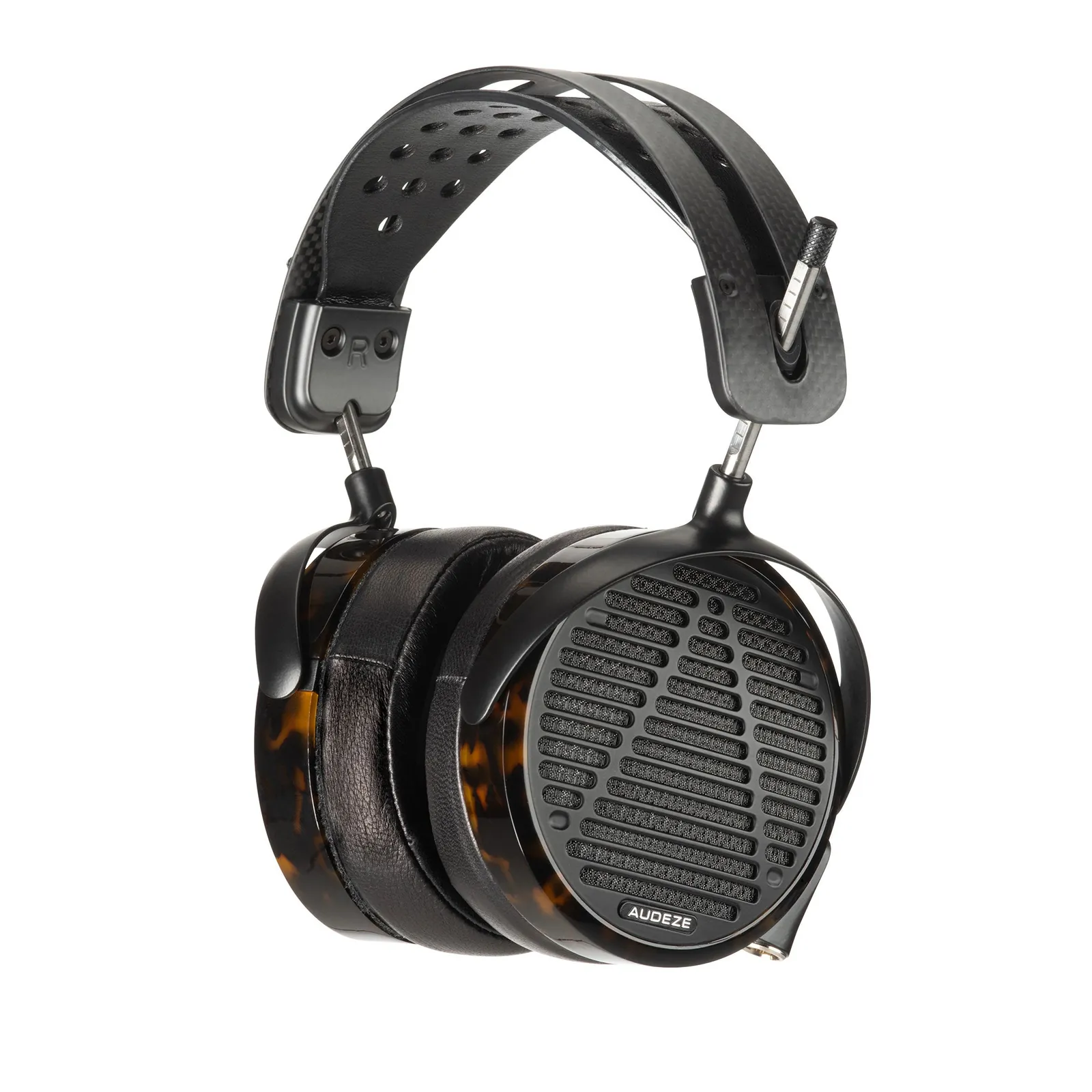
Audeze
LCD-5
Open-back · Wired
€4,499.00Low stock
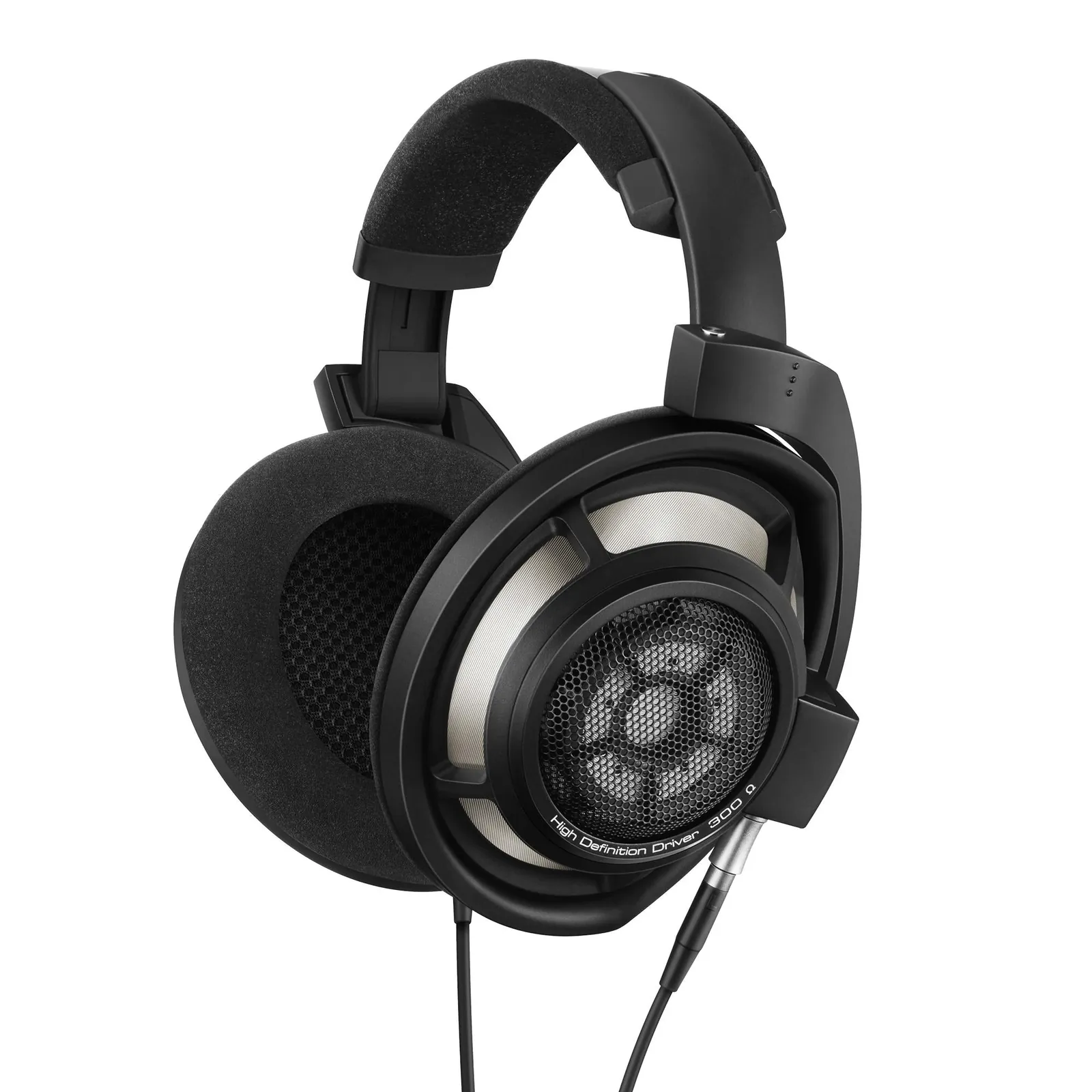
Sennheiser
HD 800 S
Open-back · Wired
€1,699.00In stock
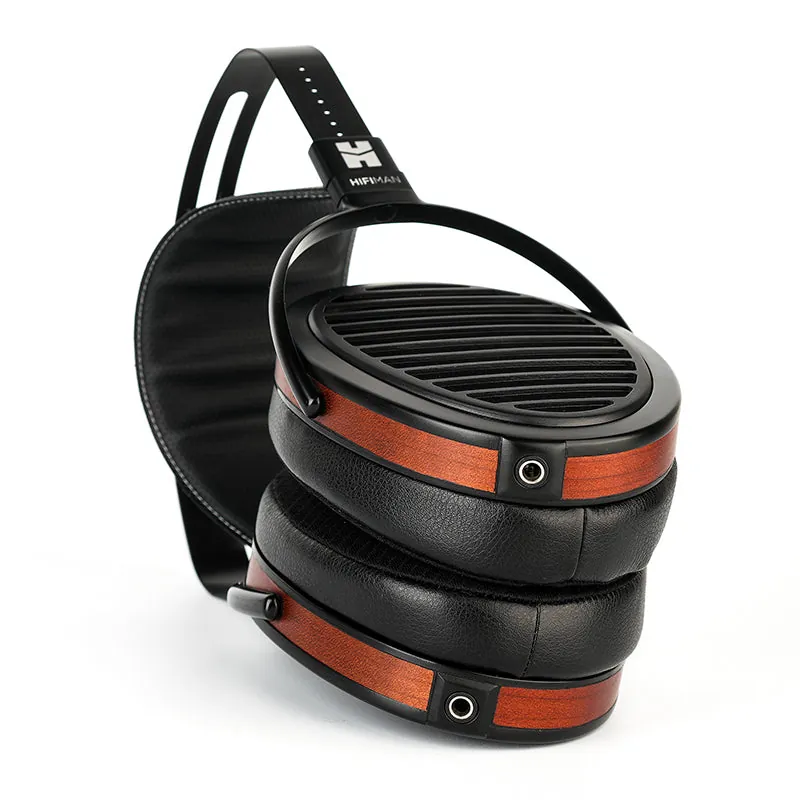
HiFiMan
Arya Organic
Open-back · Wired
€1,299.00In stock
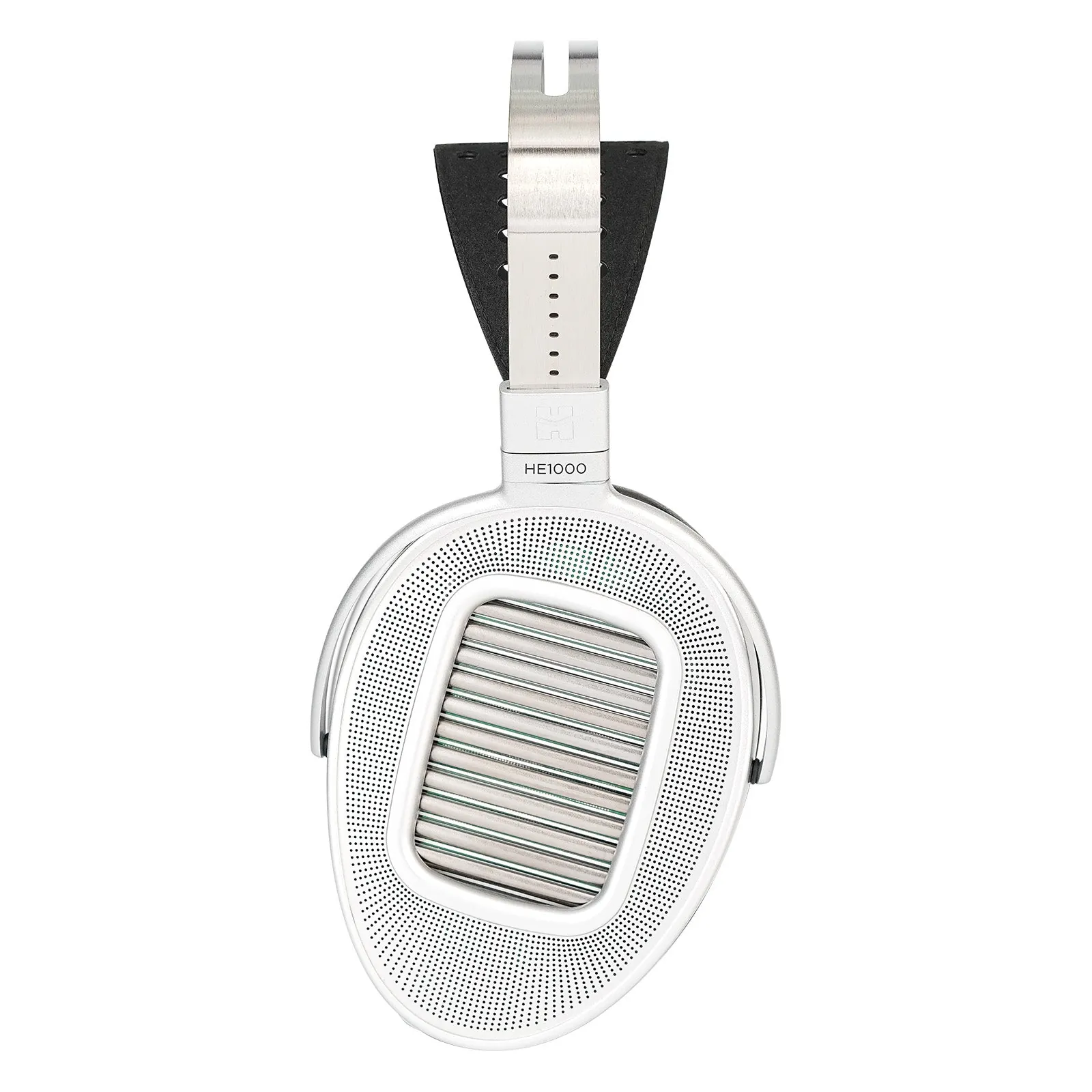
HiFiMan
HE1000 Unveiled
Open-back · Wired
€2,399.00Low stock
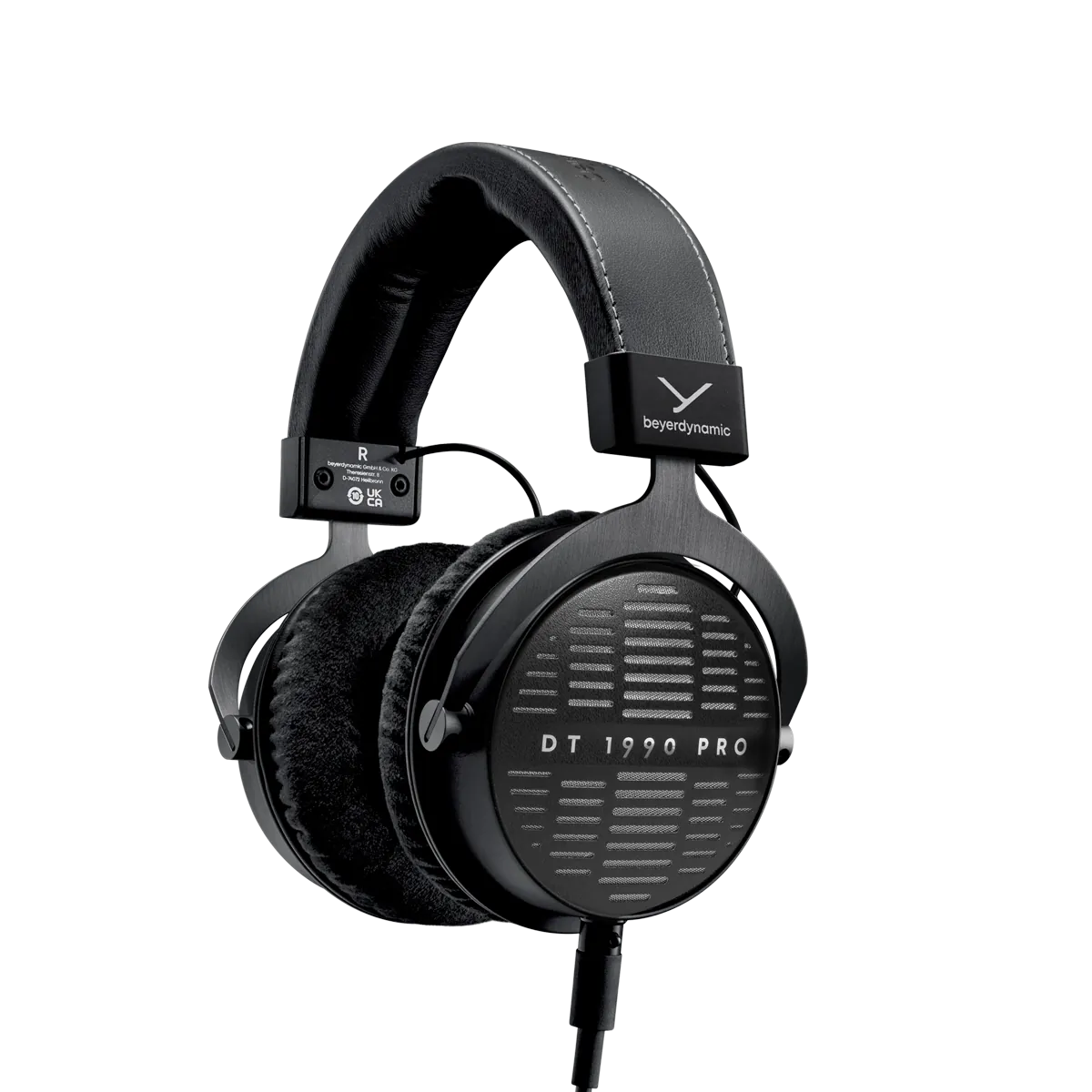
Beyerdynamic
DT 1990 PRO MKII
Open-back · Wired
€599.00In stock
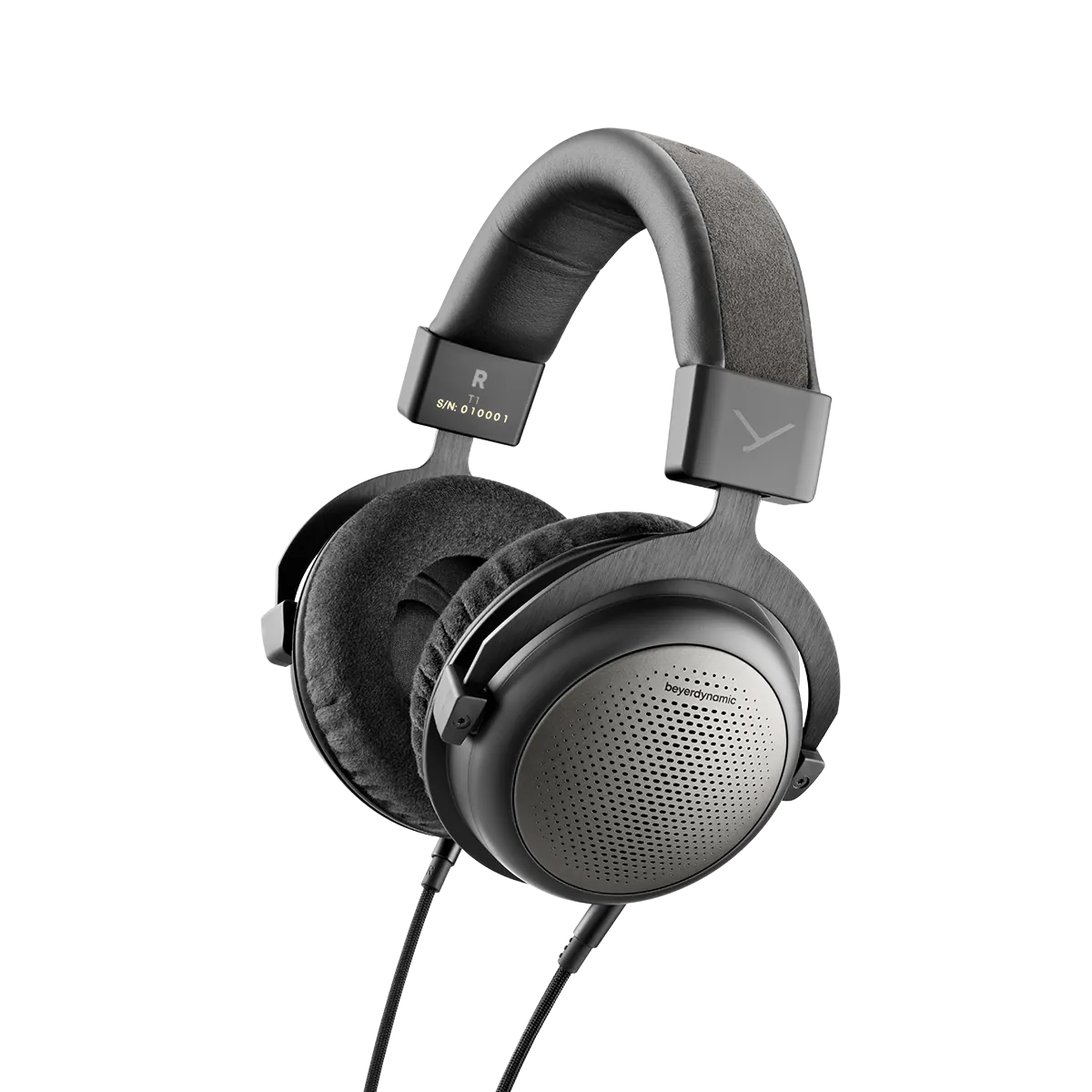
Beyerdynamic
T1 (3rd generation)
Open-back · Wired
€999.00In stock
Chapter two
In the studio
For mixing and monitoring, what matters is consistency over long sessions, parts you can replace, and cables that survive daily use.
- Every studio model here uses a detachable, replaceable cable.
- Check the published impedance against your interface’s headphone output.
- Open-back designs are favoured for mixing; closed designs for tracking near microphones.
Chapter three
On the move
On trains, in the air, and through the city, closed-back wireless headphones with active noise cancelling let you listen at lower volumes and arrive less tired.
- Every wireless model here has active noise cancelling.
- Each lists its published battery life, so you can plan a long journey.
- Most also play over a cable when the battery runs low.
5 models for on the move
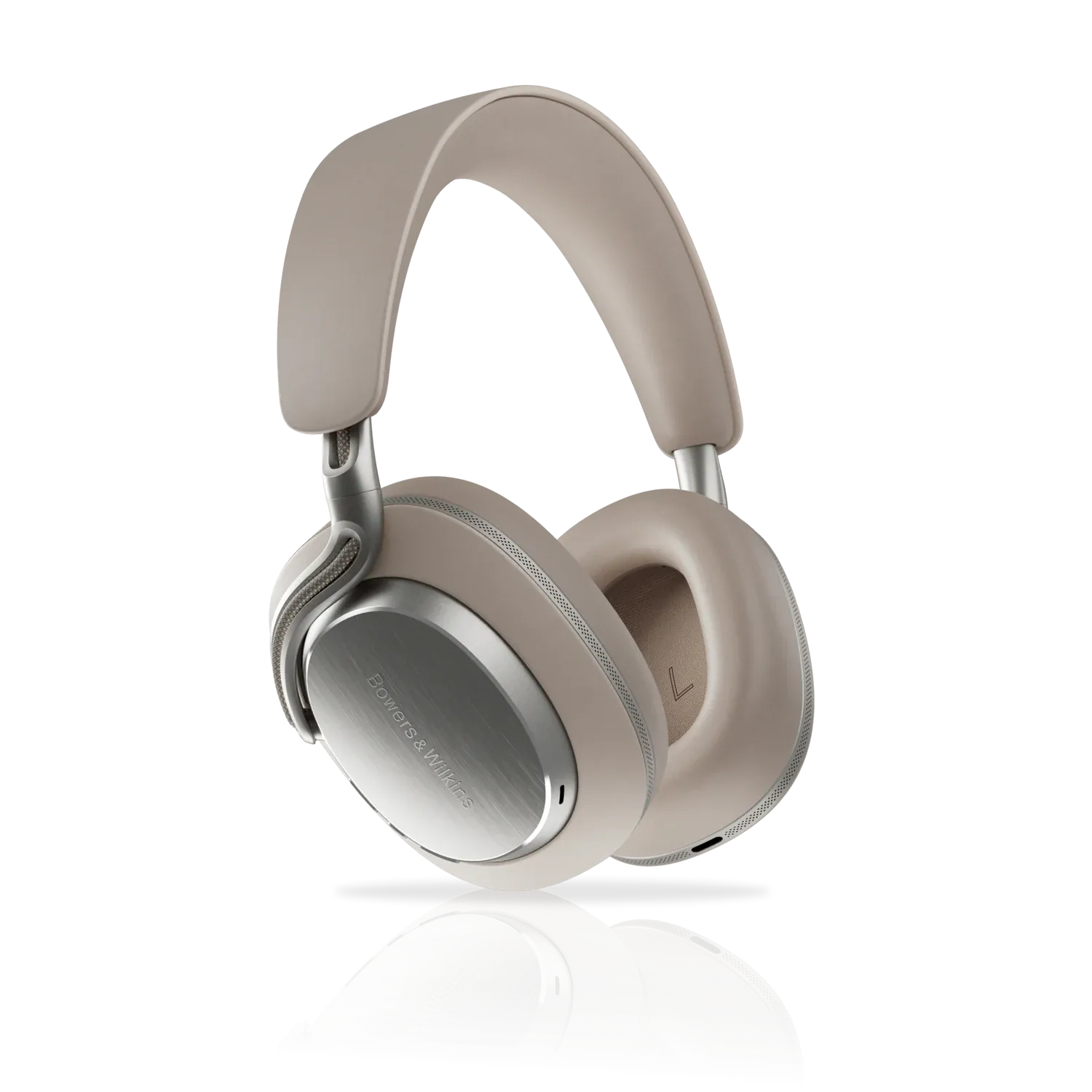
Browse the full collectionBowers & Wilkins
Px8 S2
Closed-back · Wireless
€799.00In stock
Bowers & Wilkins
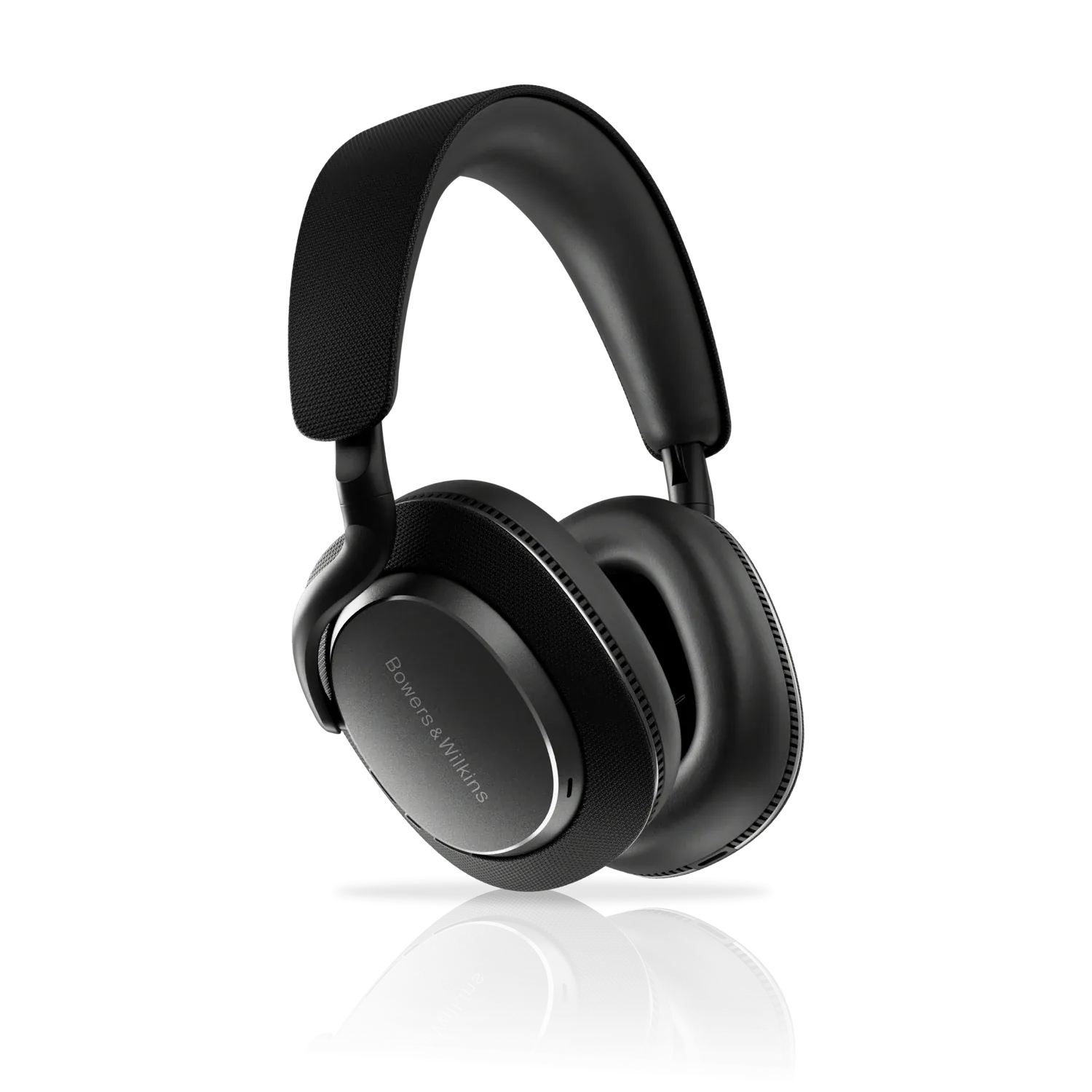
Px7 S3
Closed-back · Wireless
€479.00In stock
Bang & Olufsen
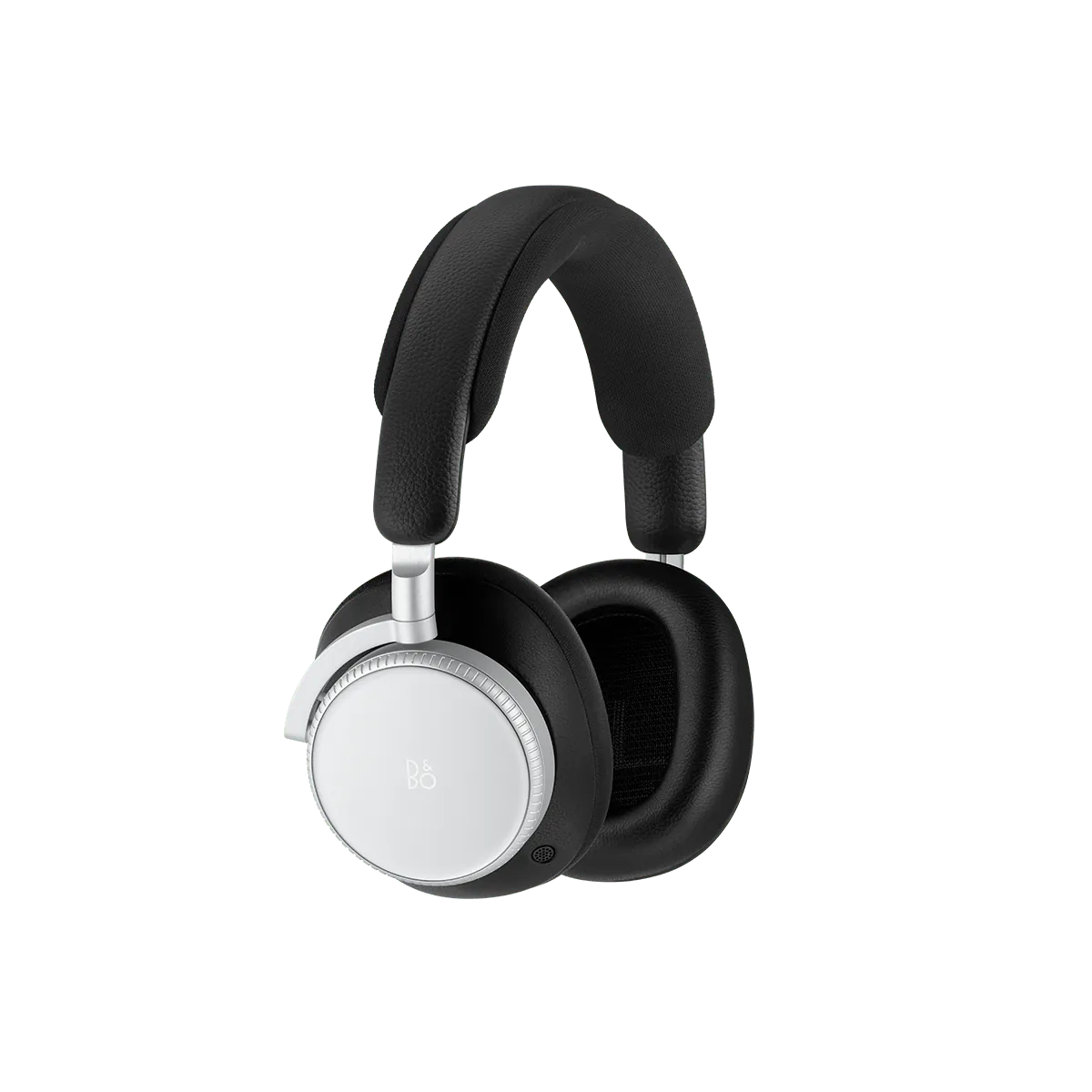
Beoplay H100
Closed-back · Wireless · 2 finishes
€2,299.00In stock
Bang & Olufsen
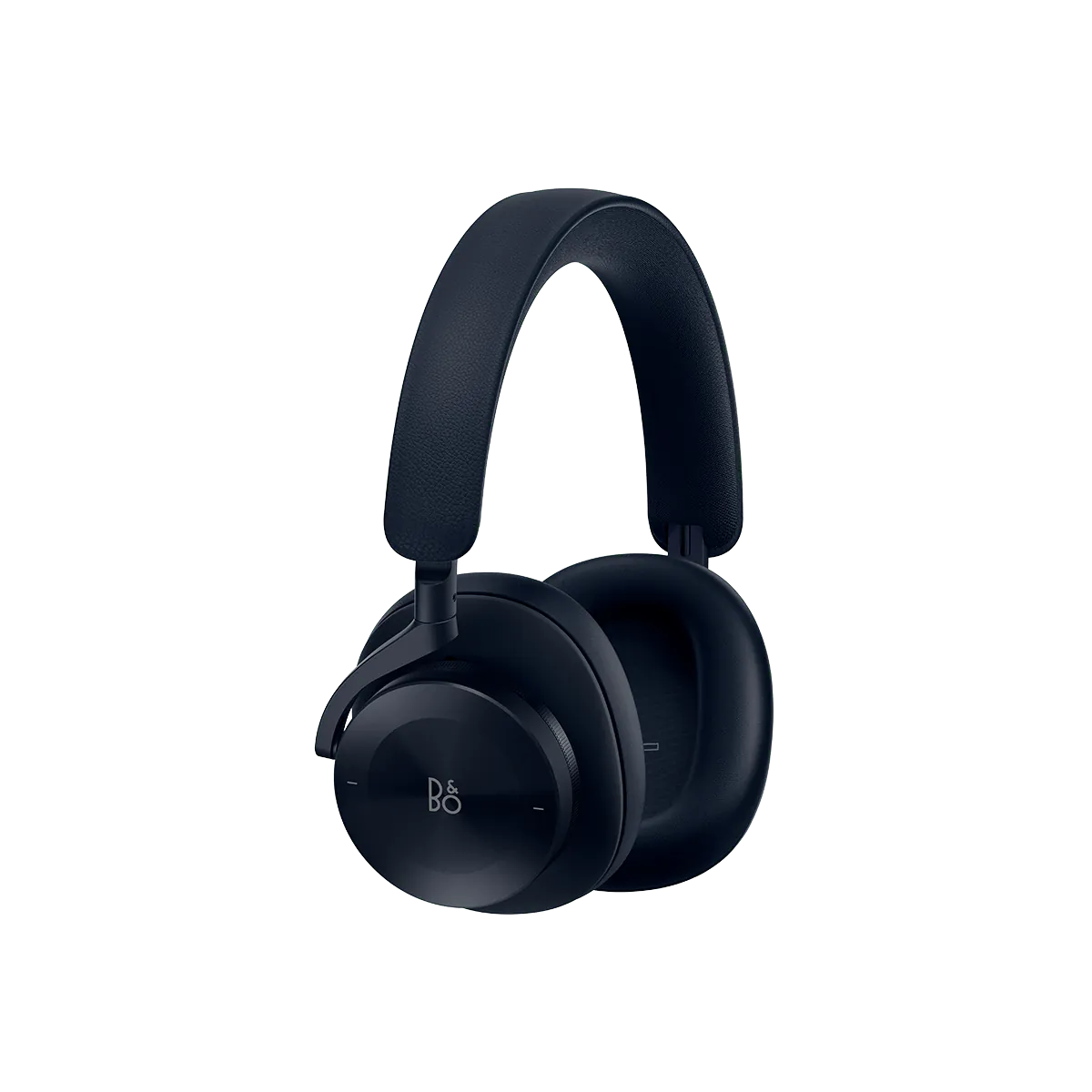
Beoplay H95
Closed-back · Wireless · 3 finishes
€1,249.00In stock
Focal
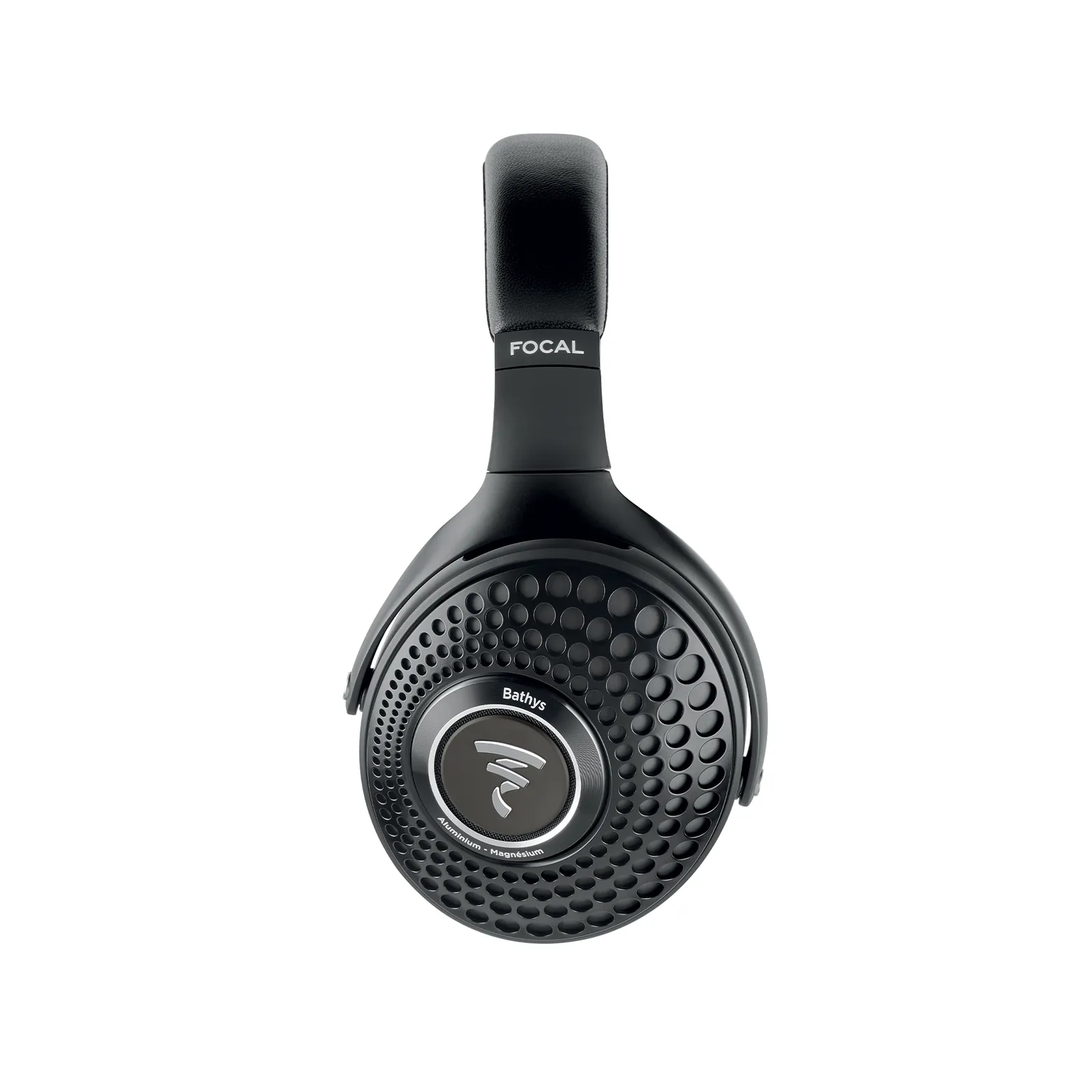
Bathys
Closed-back · Wireless
€699.00In stock
Chapter four
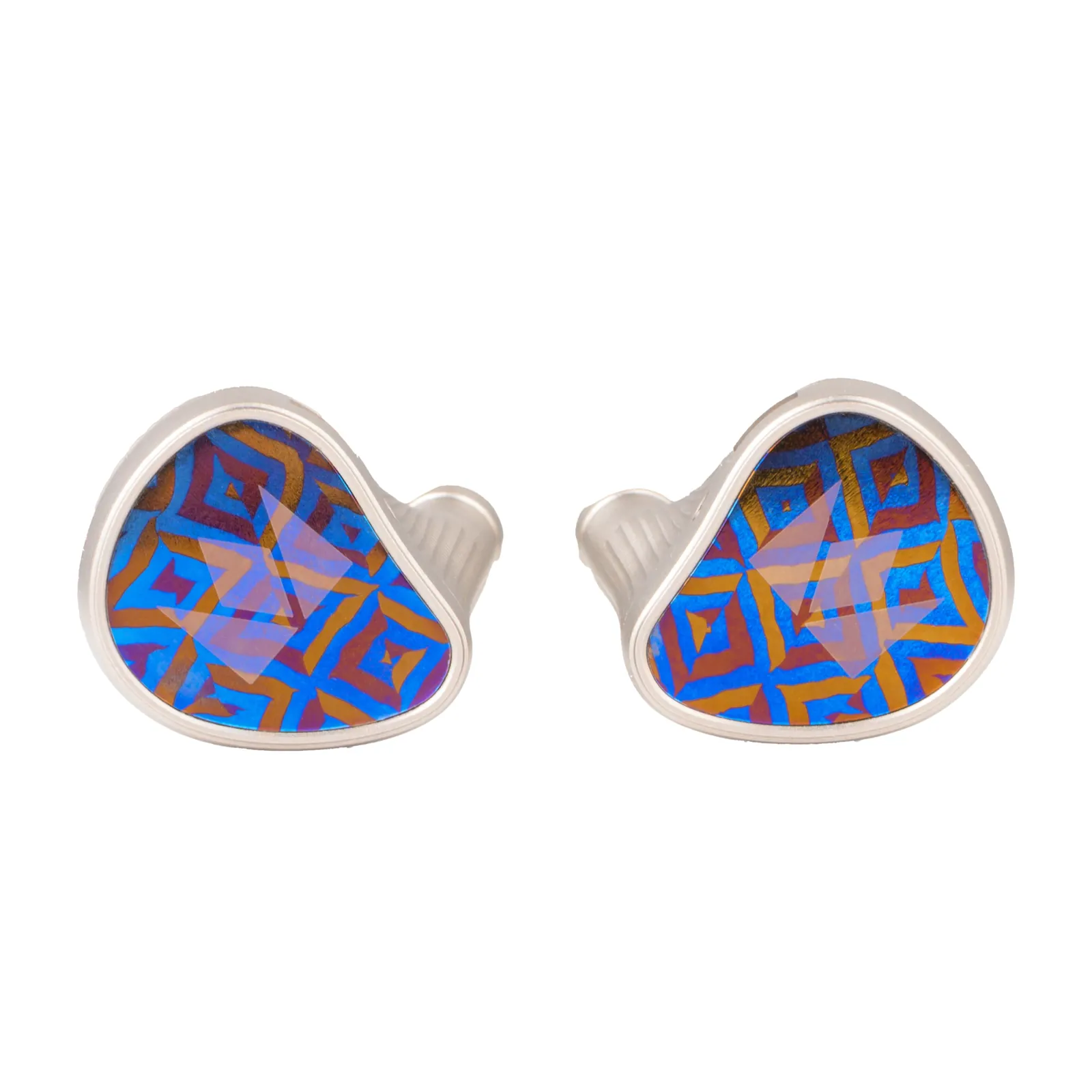
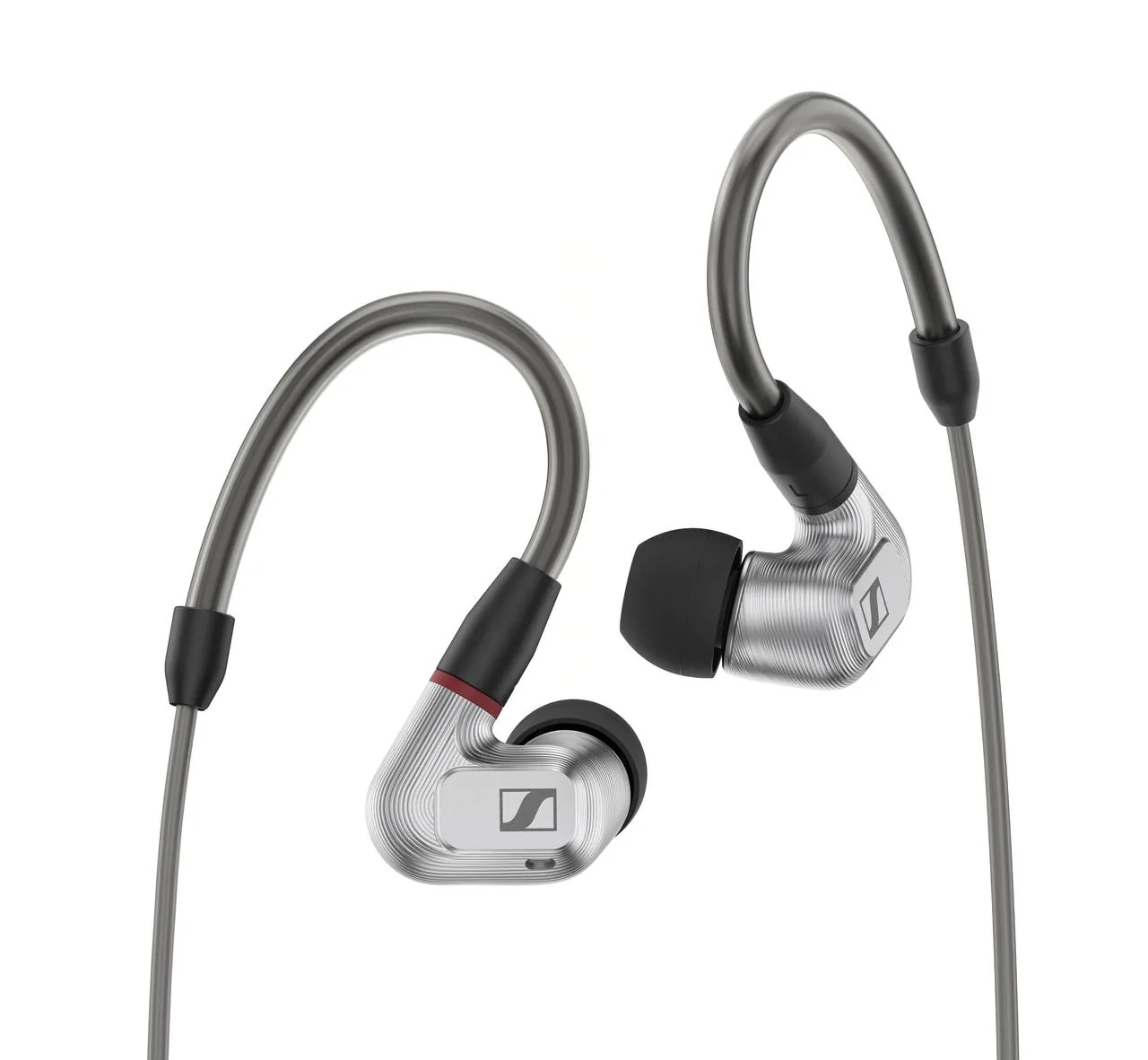
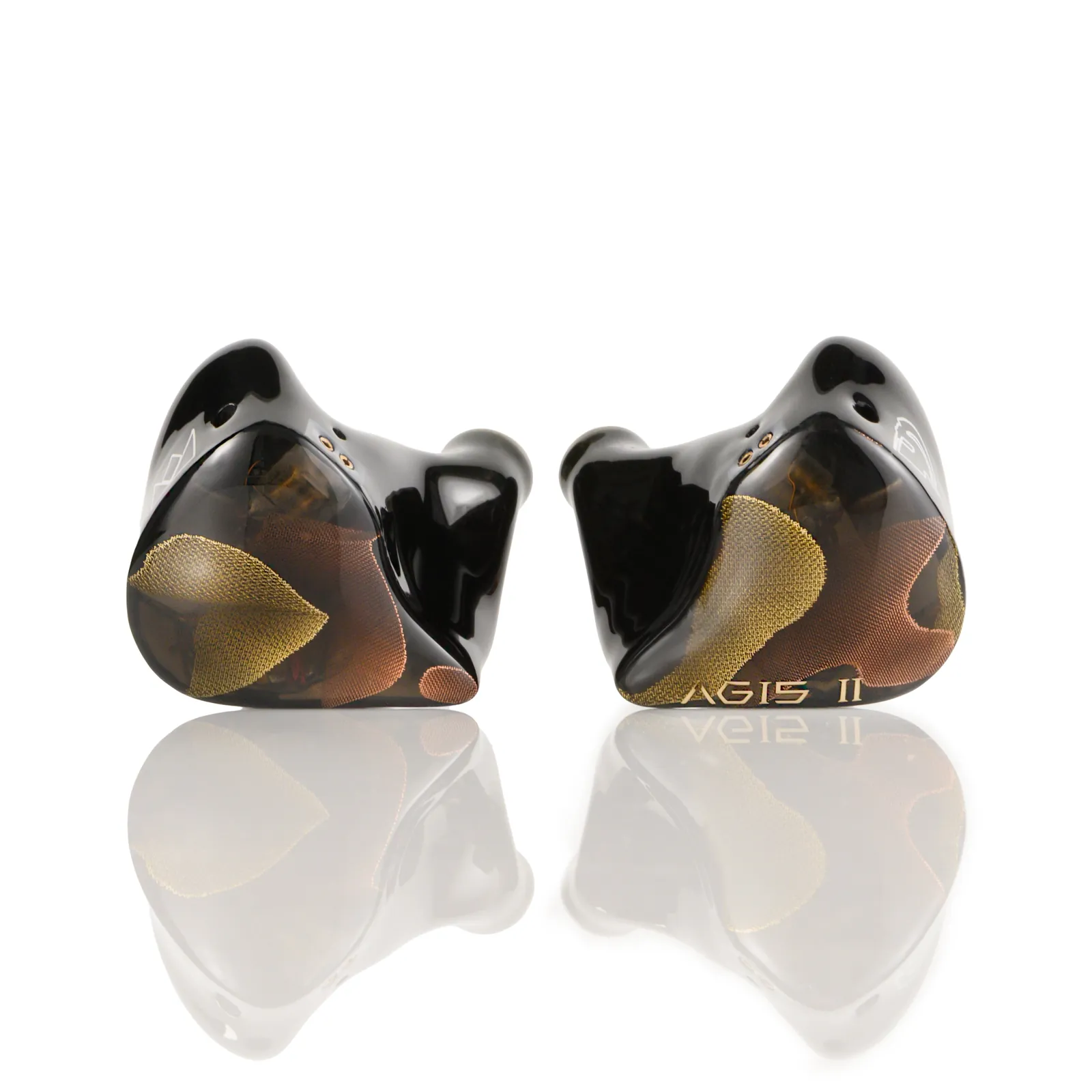
In-ear monitors
The most personal fit and the smallest footprint. A good seal blocks outside sound on its own, with no batteries involved.
- Every in-ear model here uses detachable cables.
- Fit depends on the ear tips, so try each supplied size.
- Hybrid designs divide the frequency range between different driver types.
Before you choose
Choosing well
- 01
Open or closed
Open-back designs leak sound in both directions. Closed-back and in-ear designs isolate more, which suits shared spaces and travel.
- 02
Wired or wireless
Wireless models add Bluetooth, batteries, and noise cancelling. Wired models need a source with a headphone output.
- 03
Power
High impedance or low sensitivity can call for more amplifier power than a phone provides. Each product lists the manufacturer's published values.